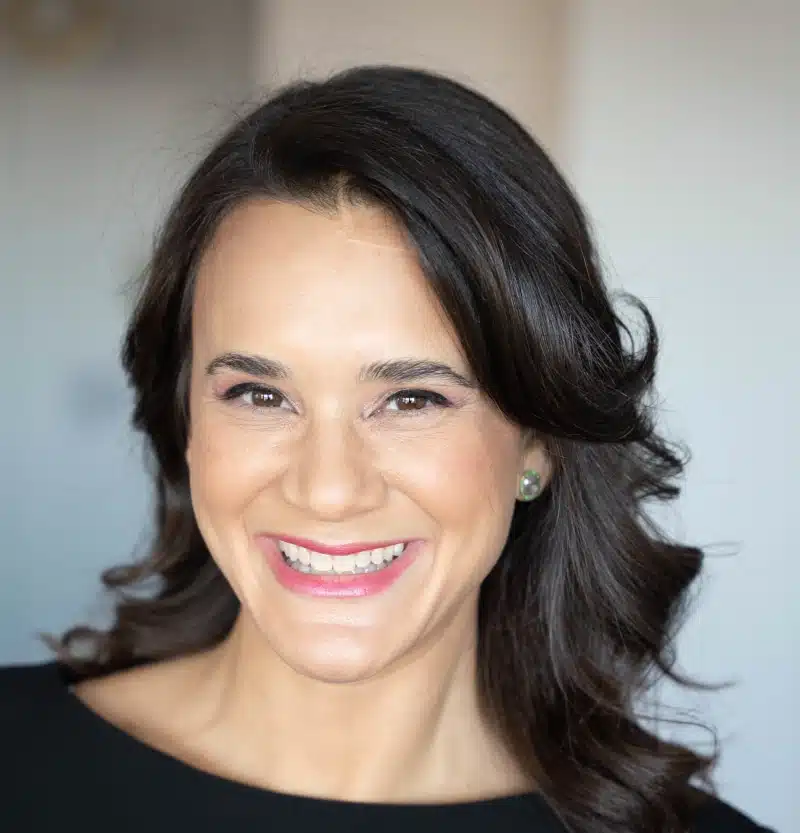
Watch this interview on YouTube.
D.J. Paris sits down with Greg Roeder, a luxury real estate agent in Fort Collins, Colorado, with more than two decades of production. They cover the pickleball moment that showed him he was an invisible agent, his three-part framework of mobilizing your people, making content for your dream clients and multiplying your impact, and how he stopped saying yes to everything.
What you’ll learn
- Keep the gathering about the activity. At his pickleball league, Greg does not talk business. He answers a real estate question if someone asks, but keeps it brief, and uses social media and a permission-based newsletter to stay visible. (20:01)
- Make the newsletter specific. Be known for a niche, share information nobody else in the market provides, keep the design consistent and the read to three minutes or less, and tell people when it will arrive. (36:01)
- Post two kinds of short video. One is useful information for your dream client, the other is personal content that shows who you are. He aims for at least a couple of pieces every week. (41:02)
- Say yes to fewer things. Greg stopped attending every event and meeting and put that time into his newsletter, his league and short videos. (44:42)
- Track what the work produces. Greg reports a little over $12 million in volume in 2023, $25 million in 2024 and $40 million in 2025, and says he has not been on a listing presentation since November 2023. (29:02)
“So if you want views, then definitely just do the dance to whatever music is trending on TikTok. That will get you the views. If you want clients, then you need to provide valuable information.”
Greg Roeder (at 38:15)
Chapters
00:00 Intro
03:41 Meet Greg Roeder
05:22 The pickleball moment that exposed the invisible agent
08:20 Selling Cutco knives and the question that shaped his business
13:45 What the invisible agent problem is
19:41 Staying visible without turning pickleball into a pitch
24:21 Signature events like Fire and Ice
28:40 The results: from $12 million to $40 million
30:23 Why relationships still win in the age of AI
37:42 Short-form video that attracts clients
42:00 The cost of being available 24 hours a day
48:43 First 90 days in a new city with no contacts
50:44 What is in the book Getting to a Million
56:01 Homework: text five friends
This week’s homework
Text five people who know you well and are not clients. Ask one question: if a friend of yours was buying a home, how would you describe what I do? Read the answers without defending yourself. That is your invisibility score.
Links from this episode
- Greg Roeder on his website
- Join the launch list for Getting to a Million
Listen and follow
Listen on Apple Podcasts, Spotify or YouTube. Follow the show on Instagram, Facebook and LinkedIn.
This episode is brought to you by Real Geeks and Courted.io.
Read the full transcript
Transcript
[00:00:00] Someone you've known for years is going to buy a house and they're not going to call you.
[00:00:05] Not because you're bad at your job, but because they forgot what you do for a living.
[00:00:09] Today's guest had the exact thing happen to him.
[00:00:12] He fixed it and went from 12 million to 40 million in two years without going on a single
[00:00:17] listing presentation.
[00:00:19] Stay tuned.
[00:00:20] This episode of Keeping It Real is brought to you by Real Geeks.
[00:00:24] How many homes are you going to sell this year?
[00:00:26] Do you have the right tools?
[00:00:28] Is your website turning soft leads in interested buyers?
[00:00:31] Are you spending money on leads that aren't converting?
[00:00:34] Well, Real Geeks is your solution.
[00:00:36] Find out why agents across the country choose Real Geeks as their technology partner.
[00:00:41] Real Geeks was created by an agent for agents.
[00:00:44] They pride themselves on delivering a sales and marketing solution so that you can easily
[00:00:49] generate more business.
[00:00:50] Their agent websites are fast and built for lead conversion with a smooth search experience
[00:00:56] for your visitors.
[00:00:57] Real Geeks also includes an easy to use agent CRM.
[00:01:01] So once a lead signs up on your website, you can track their interest and have great follow-up
[00:01:07] conversations.
[00:01:08] Real Geeks is loaded with a ton of marketing tools to nurture your leads and increase brand
[00:01:13] awareness.
[00:01:14] Visit RealGeeks.com forward slash Keeping It Real Pod and find out why REALTORS come to
[00:01:19] Real Geeks to generate more business.
[00:01:21] Again, visit RealGeeks.com forward slash Keeping It Real Pod.
[00:01:26] And now onto our show.
[00:01:28] Today's episode is brought to you by corded.io.
[00:01:32] Are you looking for agents to join your brokerage, your team?
[00:01:36] Now as a real estate recruiter, I can tell you the answer is always yes.
[00:01:40] But most agents aren't looking to move right now.
[00:01:42] So how do you know who to contact?
[00:01:45] Well, what if I were to tell you there's a recruiting and retention tool powered by
[00:01:48] artificial intelligence that shows you exactly which agents in your local market are looking
[00:01:54] to leave their brokerage right now and which agents at your own firm are also looking
[00:01:59] to leave you?
[00:02:00] Now I've been recruiting REALTORS for 15 years and I've hired over 2000 agents.
[00:02:05] I can tell you with no exaggeration, this is the tool I've been waiting for.
[00:02:10] Corded AI looks for trends across dozens of variables for each agent in your market and
[00:02:15] shows you which agents they believe are likely to move.
[00:02:18] Not only does it do that, but corded AI went and visited my recruiting website and read
[00:02:23] everything I offer.
[00:02:25] So now when I'm recruiting, corded AI tells me exactly what to say based on that agent's
[00:02:30] needs and what my brokerage can offer.
[00:02:33] It even writes emails for me.
[00:02:34] I've never seen anything like it and I use it every single day.
[00:02:39] Now if you are looking to grow your brokerage, corded.io is the best tool out there.
[00:02:44] Visit corded.io to schedule a demo again.
[00:02:47] That's corded.io.
[00:02:49] And now onto the show.
[00:03:00] Hi, welcome to Keeping It Real, the largest podcast made by real estate agents and four
[00:03:10] real estate agents.
[00:03:11] My name is DJ Paris.
[00:03:12] I am your guide and host through the show.
[00:03:16] And in just a moment, we're going to be bringing on our guest, Greg, rotor before we get to
[00:03:20] Greg, just want to quick remind everyone the best way that you can help us grow is by
[00:03:25] telling a friend.
[00:03:26] So think of another agent that doesn't yet know about keeping it real.
[00:03:29] Do us a favor, let them know.
[00:03:31] And shoot a link where everywhere podcasts are served.
[00:03:34] Also if you could leave us a review on whatever podcast app or distribution system you were
[00:03:39] listening to us on, we would appreciate it.
[00:03:41] We follow you, we read all of your content or comments and then we take action because
[00:03:46] this is for you.
[00:03:47] So let me tell you about our guest today who I am really, really excited about having
[00:03:52] here on the show.
[00:03:53] So Greg, rotor is a luxury real estate agent in Fort Collins, Colorado.
[00:03:58] He is more than two decades of active production over 800 closings, more than 600 million in career
[00:04:04] volume.
[00:04:05] His practice holds Fort Collins luxury market records for both highest sales price and
[00:04:10] highest price per square foot.
[00:04:12] He also teaches real estate sales and marketing at Colorado State University and has spent
[00:04:18] years helping agents build businesses rooted in community content and a genuine relationship.
[00:04:26] General relationships, I should say, Greg is also the author of the forthcoming book
[00:04:30] getting to a million building a seven figure real estate practice by attracting business
[00:04:36] you don't need to compete for.
[00:04:38] So every framework in the book comes from systems Greg actively uses today in his own
[00:04:43] business, including local content, community events and a pickleball league that has become
[00:04:48] a meaningful source of relationships and referrals.
[00:04:51] I want everybody to consider pre ordering the book, getting on the wait list, go to getting
[00:04:58] to a million dot com will have a link to that in the show notes and follow Greg on linked
[00:05:05] in. Greg rotor R O E D E R will have a link to his LinkedIn as well connect with him.
[00:05:11] Greg welcome to the show.
[00:05:13] Thank you so much DJ.
[00:05:14] I'm super excited to be here.
[00:05:16] Excited to have you here.
[00:05:17] I'm excited to talk about the book, but I want to jump right into pickleball only because
[00:05:22] this is the first pickleball story.
[00:05:24] I think we've told on the show and everybody's playing pickleball now anyway.
[00:05:28] So you have the you get first dibs, but I want to really talk about the league that you
[00:05:33] founded.
[00:05:34] So you you created this pickleball league in Fort Collins and it grew and you grew to over
[00:05:40] a hundred people who were participating and one day a woman who had been playing with
[00:05:45] you for months turns to a different agent who was sitting there in the group and asked
[00:05:50] her for real estate advice.
[00:05:52] So take us back to that moment like what went through your head.
[00:05:56] You know what went through my head was that I was doing a really good job building relationships
[00:06:02] with people.
[00:06:03] I wasn't doing a very good job of branding myself of occupying that real estate portion of
[00:06:10] their brains.
[00:06:12] And that was one of the things that prompted me to write the book that I wrote and to
[00:06:17] where I am now and started taking me down this path.
[00:06:20] So we can go into as much as you want to.
[00:06:23] And on the book we talk about the three M's, mobilize your people.
[00:06:28] And that's getting strategic gatherings going like my pickleball league.
[00:06:32] That's also signature events, a bigger event where more people are invited and you're
[00:06:37] creating collisions between the people who are in your tribe who might be attending your
[00:06:40] pickleball league, also your past clients, your family, your friends.
[00:06:44] There's a trust transfer that takes place at those events.
[00:06:48] So mobilize your people and then you have to move on as I learned at that moment that
[00:06:54] you just mentioned, you really have to move on to making content for your dream clients.
[00:06:59] So you start to occupy the real estate portion of these people's brains.
[00:07:05] And we can go into as much detail as you'd like.
[00:07:07] But yeah, that moment when that happened, I was just beating myself up on the car ride
[00:07:13] home.
[00:07:14] I hear I am putting together this big pickleball tournament.
[00:07:16] I mean, the snack table was dialed in, the refreshments, everything.
[00:07:20] I mean, the scoring days and days and days of preparation.
[00:07:22] And I had done this so many times.
[00:07:25] The fact this person did not know I sold real estate absolutely shook me to my core and
[00:07:31] it caused me to take a lot of action.
[00:07:33] Yeah, thank you for that story.
[00:07:35] Thank you for the honesty there.
[00:07:37] Every single listener has had a situation where a best friend or a close friend, a family
[00:07:44] member, a person they work next to in a different career literally chooses another agent.
[00:07:50] And we've all had this happen.
[00:07:52] And oftentimes I hear from when the agent will ask if they do ask the person who didn't
[00:07:59] choose them and they'll say, Oh, I just assumed you were too busy or I forgot that you were an
[00:08:04] agent or you should have told me you wanted my business.
[00:08:07] So this idea of being a secret agent is, you know, talked about a lot.
[00:08:11] Don't be a secret agent.
[00:08:12] But I want to go back even before the pickleball league.
[00:08:15] So 20 some years earlier, your friend Jack watched you do something pretty incredible.
[00:08:20] You were with Cut Co.
[00:08:22] That's an amazing knife company, by the way.
[00:08:24] I'm a huge Cut Co fan.
[00:08:25] They really do have just about the best cutlery out there.
[00:08:28] And you sold, you were selling knives to people that you already knew, which is what Cut Co's
[00:08:33] model at least could be for a lot of people who sell it and asked asked your friend Jack asked
[00:08:40] you why you were cold calling strangers.
[00:08:43] And you said that question shaped your whole business.
[00:08:46] So you've already learned this lesson, but how did you end up, you already knew this,
[00:08:51] but you ended up invisible to this woman on the pickleball court.
[00:08:55] So what do you think happened or didn't happen that made her go to someone else?
[00:09:01] Well, let me take you back a little bit because you mentioned that story, Cut Co knives.
[00:09:05] I started selling Cut Co knives because I was in a small town in Iowa and I wanted
[00:09:10] to get out of working in the door factory.
[00:09:12] My parents had kind of set this job up for me.
[00:09:15] I did not want that job in the door factory.
[00:09:18] So I said, Mom and Dad, I'm going to sell Cut Co knives.
[00:09:20] Two weeks in, I was cold calling people.
[00:09:24] I was just drinking red bull and dialing everybody I could.
[00:09:28] No, almost nobody let me into their home except for one couple.
[00:09:34] And this one couple, I gave a knife presentation, a Cut Co knife presentation to the Wilson's.
[00:09:39] And during the presentation, I was so nervous that there's the super shears, the Super Cut Co
[00:09:45] shears and you cut through a penny.
[00:09:47] If anybody has ever seen a Cut Co presentation, you, that person giving the presentation,
[00:09:52] cuts through the penny to show how amazing and strong and sharp the super shears are.
[00:09:56] My hands were kind of shaking.
[00:09:57] I was nervous and I was cutting through this penny and I was too far on the edge of the penny
[00:10:02] and it shot off the side of these super shears like it was like a hair trigger.
[00:10:07] And it zoomed past Vic Wilson's head and it just nearly impaled him,
[00:10:13] missing him by a few inches and it just, oh my God,
[00:10:16] thought landed in the, in the paneling in their kitchen behind him.
[00:10:21] So I was then politely ushered out of their home.
[00:10:24] And of course, it's a small town word spreads that Greg almost killed a guy with,
[00:10:31] we've changed during a knife presentation and I'm really struggling.
[00:10:36] My friend Jack, his sister had her graduation party.
[00:10:39] I'm at the graduation party.
[00:10:41] Jack says, hey man, how many knives have you sold?
[00:10:44] I thought about lying, but I just, I was honest, I said no knives.
[00:10:49] I have sold zero.
[00:10:50] He says go get your knives out of your car.
[00:10:52] He pushes all these tables together and he basically forces me to give a presentation
[00:10:58] in front of over a hundred people in this garage.
[00:11:02] Right.
[00:11:03] By the way, no one asked his sister, it was her graduation party.
[00:11:06] We just did this and I'm looking out of the crowd and I was nervous at first.
[00:11:12] But then I noticed that these are people I knew.
[00:11:14] These are people I cold call.
[00:11:16] These are people who had watched me play sports.
[00:11:19] These are people who I'd grown up with that watched me grow up.
[00:11:23] But we had conversations.
[00:11:24] We had a deeper connection.
[00:11:27] After the presentation, I sold $3,900 of knives.
[00:11:31] This was a quarter century ago.
[00:11:34] That's when Jack said, why have you been selling to people he don't know?
[00:11:39] You fast forward all the way back to where you asked this lady at the table.
[00:11:45] What had happened around that same time, like it's a little while before, was that Jack,
[00:11:52] my best friend, he was diagnosed with an operable brain tumor.
[00:11:57] I started spending a lot of time with my friend and talking with him and all of those
[00:12:00] memories got brought to the surface.
[00:12:04] That conversation with him, why have you been selling to people you don't know?
[00:12:07] That came to the forefront and that caused me to put along with these other things,
[00:12:12] helped me to put this whole system together so that I could stop chasing people, stop
[00:12:19] calling people I don't know, and just attract business that I didn't need to compete for.
[00:12:25] I love that story and thank you for being vulnerable and sharing all of that with us because
[00:12:31] we all can relate to that.
[00:12:33] What I always tell new agents in particular when they'll say, well, I don't want to prospect
[00:12:39] my friends because I don't really feel very competent yet.
[00:12:41] I said, that's actually a good instinct.
[00:12:44] I said, and your friends may or may not end up working with you.
[00:12:47] I go, that's not really what you, if they work with you great, but what I tell them is,
[00:12:55] those are your advocates.
[00:12:57] Even if you're not comfortable working with them, you will want to work with their friends.
[00:13:02] Make sure that they know that everyone that they come in contact with, if they hear the
[00:13:08] words so and so is moving, you go, you got to meet my friend, Greg.
[00:13:12] I always say, make those people, don't worry about whether they might already have a REALTOR.
[00:13:16] That's fine, but make them your advocates.
[00:13:19] It reminds me of that story you told where do you have all these people who know you, they
[00:13:23] like you, they want you to succeed and whether it was out of obligation or whatever they
[00:13:29] bought the knives.
[00:13:29] They're good knives too.
[00:13:33] We have a cut-code knife at home, one of our friends' sons was selling it a million years
[00:13:38] ago.
[00:13:39] I have some cut-code knives now in my current home, but it's like the best knife ever.
[00:13:45] We really are the basic quality.
[00:13:48] I want to talk about the invisible agent problem.
[00:13:51] I want you to help to find that for me.
[00:13:53] What is it and how does somebody know it if they have invisible agent, the syndrome or
[00:14:00] not?
[00:14:00] Tell us about it.
[00:14:02] I think you want to focus on when you're looking at your people out there in your market,
[00:14:06] you want to be their agent, you don't want to be a agent.
[00:14:09] You want to know who your dream client is.
[00:14:15] That's a big theme of this book, really defining who your dream client is so that you can
[00:14:20] really speak to them, so that you can provide helpful information content to a specific
[00:14:28] person.
[00:14:28] For me, it's people who are buying and selling million-dollar-plus properties in four
[00:14:34] columns.
[00:14:35] People need to really decide what it is for them.
[00:14:37] I've gotten further into my career, it's become people who are buying and selling million-dollar-plus
[00:14:42] properties who will defer to my advice.
[00:14:45] That last part maybe wasn't there as much early on because I just needed anybody, if it
[00:14:51] was a little bit of a tussle back and forth, then that's what it was.
[00:14:55] Today, I can be a bit more picky having the track record that I have, but you need to define
[00:15:01] who your dream client is, be their REALTOR, not a REALTOR.
[00:15:06] Going back to how you do that.
[00:15:07] It's really what kind of content do they want?
[00:15:12] How can you be helpful?
[00:15:14] We talked about these strategic gatherings a little bit, at least we can talk more about
[00:15:17] it later, but the pickle ball, these signature events, we can go into that, you're curating
[00:15:22] who you're inviting to these things.
[00:15:24] Guess what?
[00:15:24] You're curating those people based on who your dream client is.
[00:15:28] When you want to make sure you're not the invisible agent, I think it's first super important
[00:15:33] to define who you want to be visible to.
[00:15:37] I know there's a lot out there about AI and you want to be the agent that comes up, but
[00:15:41] I mean, do you really want to work with everybody?
[00:15:43] Do you?
[00:15:43] If you're the person that they're finding on AI, don't you think you're going to be competing
[00:15:48] on price?
[00:15:49] Don't you think you're going to be competing on your commission rate?
[00:15:52] Don't you think there's going to be plenty of times where it's just not a good fit?
[00:15:57] So many people in our industry talk about how frustrated they get when somebody tries
[00:16:03] to go shake down their commission or when somebody doesn't follow their advice.
[00:16:08] But if you reverse engineer how they are prospecting, how the people they are working with
[00:16:13] are getting in front of them, well, they're engineering that.
[00:16:16] That's everybody.
[00:16:18] That's like that's our fault.
[00:16:19] That's our fault.
[00:16:20] That's something you're dealing with.
[00:16:22] That's your fault.
[00:16:23] So you want to define who you want to be visible to.
[00:16:27] That's kind of really, really where it starts, helpful content.
[00:16:31] So what does helpful content need for me?
[00:16:33] It starts with a standout newsletter.
[00:16:36] It's my dream, my dream is people who are buying and selling million dollar plus properties
[00:16:42] in four columns.
[00:16:42] So I'm providing information like I'm segmenting out the two million, the two million, the two
[00:16:48] million, the three million, the three million plus markets.
[00:16:51] What are the average number of showings per listing?
[00:16:53] What are the average number of showings before the property goes under contract?
[00:16:57] How many listings in each category were withdrawn over the past 30 days?
[00:17:00] How many went under contract over the past 30 days?
[00:17:03] How many sold?
[00:17:05] So this is information combined with trends.
[00:17:08] What's happening in our local economy?
[00:17:12] How is the hiring?
[00:17:14] Trends like UC health is expanding.
[00:17:17] Our healthcare sector is growing.
[00:17:19] Trends like Broadcom just signed a deal with Apple.
[00:17:24] And that means Broadcom is hiring more high paying jobs in the Southeast part of our
[00:17:29] city.
[00:17:30] These types of story that people in these price range gravitate to care about.
[00:17:34] So these types of things make a standout newsletter.
[00:17:36] And then I take that content and my standout newsletter and I simply break it down to very
[00:17:40] short form video content, 30 seconds or less that I put online.
[00:17:46] To be really clear, this is for my audience.
[00:17:49] This is not for the crowd.
[00:17:50] So I think with a lot of agents here about putting this content out there, they tense up
[00:17:54] a little bit.
[00:17:55] And I used to as well because they're like, look, I don't want to do a little dance to
[00:17:59] a trending song on TikTok.
[00:18:02] And I don't want you to do that either.
[00:18:04] I don't want to do that.
[00:18:05] My content and what I would suggest and just humbly put out there for the listeners is
[00:18:12] find out here, dream clients are great to stand out newsletters, use the content and
[00:18:16] not stand out newsletters to come up with short form.
[00:18:19] 30 second videos.
[00:18:20] We go through this in my book in really great detail.
[00:18:22] So just to make it easy for everybody.
[00:18:24] But put that content out there.
[00:18:27] You will speak directly to your audience.
[00:18:29] You will start to occupy the real estate portion of their brain.
[00:18:32] When you combine that with these in person things, the flywheel really spins.
[00:18:37] And that's when you start to attract business.
[00:18:38] You don't need to compete for.
[00:18:40] Yeah, I totally agree.
[00:18:42] I think there's something to be said for the fact that most of us are doom scrolling for
[00:18:49] at least an hour or so a day on TikTok or Instagram or whatever social media platform
[00:18:55] of choice that has us hooked.
[00:18:57] And to be consistently pumping out content, video content, short form video content to be
[00:19:04] specific, like you said, is really important because when you do see those people in person,
[00:19:10] oftentimes they'll say like, I love your videos.
[00:19:12] Or I really appreciate I saw one of them and that was really helpful to me.
[00:19:15] And I know that what's really what I heard from you is figuring out your client avatar.
[00:19:22] You know, who are you going after and then modeling the content specifically to whether
[00:19:27] it's a newsletter or short form video.
[00:19:29] It's specifically what content with a person looking to spend X amount in this area be
[00:19:35] interested in learning.
[00:19:36] So I think that is, you know, you, like you said, you reverse engineer.
[00:19:41] I also wanted to ask about the pickleball league, which is one thing.
[00:19:45] How do you, how do you fix your invisibility and maybe it's through social media?
[00:19:50] And this, my answer might be that without, so how do you fix the invisibility problem without
[00:19:57] becoming the guy who turns pickleball night into a listing presentation, right?
[00:20:01] So is it through these sort of subtle background noise ways through social media?
[00:20:08] Or are you also incorporating it into the event itself?
[00:20:12] That's such a great question.
[00:20:14] And here's the rule.
[00:20:16] We're playing pickleball.
[00:20:18] I do not talk about business.
[00:20:21] Business is nowhere to be found.
[00:20:24] Somebody asks a real estate question.
[00:20:26] Of course, I'll answer it.
[00:20:28] But even then I try to keep it brief.
[00:20:31] Pickleball is about pickleball.
[00:20:34] So for your listeners, whatever your thing is, pickleball, hiking, cycling, mountain biking,
[00:20:41] cards, chess, gardening, make it about that thing.
[00:20:48] That needs to be the vibe when you're having these consistent strategic gatherings and really
[00:20:53] building these relationships.
[00:20:56] You know, you're getting to know spouse and partner's names.
[00:20:58] You're getting to know kids names.
[00:21:00] You're understanding these people at a much deeper level.
[00:21:04] What are their other hobbies?
[00:21:07] Were they traveling to?
[00:21:09] What are their, what are their, even what are their hopes and dreams?
[00:21:11] All of these things come to the surface when you take business out of the equation when
[00:21:17] you're doing your thing.
[00:21:18] Now how do I make sure that what happened after the pickleball tournament doesn't happen?
[00:21:24] Well, what I did, it is, I guess, in a way in the background, but all these people are,
[00:21:29] I connected them on social media.
[00:21:31] So they start seeing my content.
[00:21:34] They also start receiving my newsletter.
[00:21:38] And it's permission based.
[00:21:40] It's not a surprise.
[00:21:42] Don't show up to the party uninvited, everybody.
[00:21:44] Don't be the person that sends the newsletter to somebody who has no idea it's coming.
[00:21:50] You gotta let them know what it is.
[00:21:53] Make sure they want to receive it.
[00:21:55] Let them know when it's going to arrive in their mailbox every month.
[00:21:58] That's going to build trust.
[00:22:00]
[00:22:01] But I mean, literally every single person has wanted to see it's interesting, right?
[00:22:06] Well, you're providing some information on the, you know, the quote, luxury real estate
[00:22:09] market in Forkons that nobody else is providing.
[00:22:12] You, who's out there, provide something that nobody else is providing and it's interesting.
[00:22:17] People will want to receive it.
[00:22:19] So I'm just suggesting in an overall theme here, I hope people are picking up on or they
[00:22:25] will on more is that if you, you can do less but better.
[00:22:27] Instead of spending your time, maybe going to every, every random chamber of commerce,
[00:22:32] breakfast or networking event or doing the things that everybody else is doing, spend time
[00:22:41] being that person in your market that people want with putting together this information.
[00:22:47] I have a friend of mine who I would love for her to join our firm.
[00:22:52] She's not currently with our firm, but she told me a great story.
[00:22:54] So she, during the pandemic, she's a mom.
[00:22:57] She was really lonely because even though she's married and has children, but she wasn't
[00:23:02] able to get out of the house like the rest of us and she just felt like she had lost
[00:23:06] connection with people.
[00:23:07] And so she decided that she's very active on the Facebook, the neighborhood group or neighborhood
[00:23:15] page for whatever neighborhood she lives in.
[00:23:17] And so she said, I don't really know any, I don't have any good friends in this neighborhood,
[00:23:22] even though I've lived here forever.
[00:23:23] And I want to make more friends than kind of lonely.
[00:23:26] And I gosh, I mean, I can't imagine how many people feel that way even just now.
[00:23:31] And so she called around to a couple coffee shops and said, hey, can I, can I, I'm going
[00:23:37] to try to organize a neighborhood event.
[00:23:39] Can I do this at your coffee shop?
[00:23:41] You know, they'll come in by coffee and whatever.
[00:23:42] And of course the coffee shop's thrilled for this.
[00:23:45] And she just then asked permission from the moderators of this group, hey, I'm not selling
[00:23:50] anything.
[00:23:50] I just thought, you know, there may be some lonely people out there like me and we'll
[00:23:54] see, we'll do a coffee meetup at, you know, Sunday or, you know, Saturday morning at
[00:23:58] 10 o'clock.
[00:23:59] And she, and I was like, that is a brilliant idea.
[00:24:02] And she got six people to show up on her first meeting.
[00:24:06] And these were all strangers.
[00:24:08] And you know, again, yes, working your sphere is awesome.
[00:24:12] But you can create a sphere like you've done with, with pickleball by, by doing these
[00:24:17] kind of events.
[00:24:18] And it's, it's finding a need, making it fun.
[00:24:21] And, and then just going into it.
[00:24:24] So I want to talk, because you do a couple of things.
[00:24:26] You do your paddle ball, paddle battles.
[00:24:28] But you also do these really cool things called fire and ice events.
[00:24:31] Can you tell us a little bit about fire and ice?
[00:24:33] Because I really think this is super, super amazing.
[00:24:36] Yeah, it's one of my signature events.
[00:24:39] And I do multiple ones, but fire and ice is a sauna and cold plunge of it.
[00:24:43] It takes place at the lake behind my house.
[00:24:46] And there's a nice beach area there.
[00:24:48] So we've got the sanas.
[00:24:49] We've got all the different cold plunges.
[00:24:52] We've got food and drinks.
[00:24:54] My wife does an amazing job of putting together like this cucumber infused water and
[00:24:59] we get sandwiches and gluten free sandwiches.
[00:25:02] Everything's set up.
[00:25:04] Paddle boards are at the beach.
[00:25:05] So the kids can enjoy the lake.
[00:25:09] They're exploring and then nearby trees.
[00:25:11] It's just, it's phenomenal.
[00:25:13] So it's important to point out that this is centered on something that I love.
[00:25:17] It's authentic to me.
[00:25:19] Health, wellness, sauna, cold plunge.
[00:25:22] Question for somebody to ask themselves if they're looking at doing these things is what
[00:25:26] would I do even if it would never create any business?
[00:25:29] Yeah.
[00:25:29] It's really a good place to start.
[00:25:31] For me, it's that fire and ice event.
[00:25:33] It's just a really great way to bring all these people together.
[00:25:36] Everybody I play Thiccup Ball with.
[00:25:38] My past clients, my current clients, my family, my friends.
[00:25:41] Create these collisions.
[00:25:44] As you might imagine, my name comes up and agents out there, yours will too when you do this
[00:25:49] because people are meeting each other.
[00:25:51] They're going to talk about the calm, the nominator, the person that connected them.
[00:25:55] Your name comes up and generally these are people that are going to say they all are going
[00:25:59] to say nice things about me, which is very, very helpful for the trust transfer that ensues
[00:26:03] and takes place.
[00:26:04] And so all of a sudden your network becomes stronger once that trust transfer takes place.
[00:26:08] And I think everyone will find like I have found that if you perform and do this, a lot
[00:26:14] of referrals, great referrals come out of these events.
[00:26:19] Yeah, I love that.
[00:26:21] And these events, for people that are thinking, well, these sound expensive, they don't have
[00:26:27] to be expensive.
[00:26:28] The one of the best events I ever attended that are real to put together, which again,
[00:26:33] I thought this was such a brilliant idea.
[00:26:35] Probably for a different reason than she might have even recognized, which she was a friend
[00:26:41] of mine, a REALTOR, and I just wanted to support her.
[00:26:43] And she goes, hey, we're going to be down the street from where you live, volunteering
[00:26:46] at anti-crulty for its appétte organization.
[00:26:51] And I was like, oh, I'm there.
[00:26:53] No problem.
[00:26:54] And so we just did two hours worth of volunteering.
[00:26:58] And I don't think I don't know that it cost her anything, but maybe the pizza that she
[00:27:03] had showed up.
[00:27:04] But I thought what I love about that for those of us that maybe don't have budgets to really
[00:27:09] create amazing events yet, you can do things like this.
[00:27:13] And what I thought was so cool about volunteering was everybody says they want to volunteer more,
[00:27:17] but people are usually too busy to do it or they just don't ever do it.
[00:27:21] And so this gives people a reason to do the thing that they think they should do.
[00:27:25] And so I love this.
[00:27:28] It's whatever you're passionate about, step into it, and keep, and just do it full force.
[00:27:35] So you do pick all, you do paddle battles, fire and ice.
[00:27:40] Real quick, on the expense thing, I think it's important to point out that you just said
[00:27:45] it doesn't have to be expensive.
[00:27:47] A quick point for everybody there, it doesn't have to be expensive at all.
[00:27:51] I think the word is where can you collaborate?
[00:27:54] So my fire and ice events, there's a company called Foundry Sonas.
[00:27:59] We video these events.
[00:28:01] We tell Foundry Sonas that we'll put this out on social media.
[00:28:04] And of course they want to get introduced to my network.
[00:28:07] So we get a great deal on the Sonas.
[00:28:09] They set up the coal plunges.
[00:28:11] There are ways to collaborate.
[00:28:13] Other agents that I've helped do this, they'll get a title company or a lender to pitch in.
[00:28:17] With the rule that there is no banners, there is no marketing.
[00:28:21] You, you're doing this because you want to contribute to what this event is,
[00:28:25] which there's no business, it's not a, it will totally ruin it if they're handing out
[00:28:30] their cards for mortgage lending or closing services.
[00:28:33] But there are ways to collaborate, just get creative and do that.
[00:28:37] We, we spend almost nothing on these events.
[00:28:40] It's amazing.
[00:28:41] I love that.
[00:28:42] And so here's, I got a tougher question for you.
[00:28:45] So you've been doing these events for years now.
[00:28:48] And can you, is there an easy way for you to trace the closings back to the,
[00:28:56] either the league or these events you do?
[00:28:59] So in other words, what does it look like is in terms of numbers?
[00:29:02] And how long did it take before the first one started,
[00:29:06] the first number started showing up, right?
[00:29:09] Yeah, yeah, it's not a hard question at all.
[00:29:12] And I appreciate you asking because when I talk about this,
[00:29:15] it's hard for me to believe it almost.
[00:29:18] I, 2023, I did a little over 12 million in volume.
[00:29:24] That's the first year I started doing this.
[00:29:27] And by 2024, I had it pretty well dialed in.
[00:29:31] And that was the first year that I felt like I had it dialed in.
[00:29:36] I did 25 million.
[00:29:38] And then in 2025, I did 40 million.
[00:29:43] And our industry, you've been talking about it a lot.
[00:29:46] Yeah, it's just, it was, I didn't go on a listing presentation.
[00:29:53] From, it's been since November of 2023 since I've been on a listing presentation,
[00:29:57] because this really does attract business that you don't need to compete for.
[00:30:04] That is the growth in 100% of the business has been from these things that we're talking about.
[00:30:12] I have not done any traditional advertising at all.
[00:30:17] It's incredible.
[00:30:19] And so yes, we know, we know it works.
[00:30:23] And it works because this is still a relationship business.
[00:30:27] You know, I do a lot of AI training for REALTORS.
[00:30:32] And there are a lot of REALTORS.
[00:30:35] And this is a debatable topic.
[00:30:36] And I certainly am not the sage, you know, person to know exactly what's going to happen here in
[00:30:44] the future. But my suspicion is that our experiences agents will not be that relevant in the coming
[00:30:53] years because AI will solve for experience. It eventually will, but it will obviously solve,
[00:30:59] you know, it already solves for data and, you know, all sorts of advice.
[00:31:03] And I think it will solve for experience eventually too, although right now experience is still
[00:31:07] super important as an agent. But what I think it can never or hopefully, hopefully,
[00:31:13] can never solve for is relationships.
[00:31:15] And so this is still by, you know, whether it's a luxury property or a non-luxury property,
[00:31:21] it is still somebody's a massive financial purchase, possibly their biggest or a sale, maybe their
[00:31:27] biggest financial sell. This is a big emotional decision that requires human interaction because
[00:31:36] of the emotions involved, the stress involved the anxiety. And we just want a human on the other
[00:31:42] end of the deal. So I think what you're doing and talking about is really relationship building
[00:31:48] more than anything. You know, you're doing fun things that people appreciate. And the business
[00:31:55] just kind of naturally flows because you're a genuine guy doing genuine things and everybody knows
[00:32:01] that. Do I have that right? Yeah, I think so. And I am. It's interesting. I think the people who
[00:32:10] do business the way their grandparents did business are going to really win big are really
[00:32:16] winning big now, but are going to disproportionately win big over the coming years. I think people
[00:32:22] are getting burnt out on screens. This 27 24 seven culture. I think there's a movement trend
[00:32:28] that's really picking up steam going more towards analog. People just don't want to be funneled.
[00:32:34] People are, they don't want to be funneled. They want to be seen, heard, cared for. They want
[00:32:40] you to know them. And by the way, that's a better way to be qualified to help them when you really
[00:32:46] know them. So people triple down on these things. I think it puts them in a position to not
[00:32:51] only have more business success, but maybe more importantly to have a more fulfilling life
[00:32:57] into poor and other people and give them a more fulfilling life and just create more and more
[00:33:02] space for human connection to happen and for everybody to be happier. There's a great, great story.
[00:33:09] I think it's from the 70s. I think it's the 70s, maybe the 80s, where the biggest, the guy who
[00:33:15] sold the most number of cars in the country, it's a famous story. He did it all through personal
[00:33:20] notes, which is such a funny idea because we, well, it's not a funny idea. It's a brilliant idea,
[00:33:27] but it takes some elbow grease to do that. That's certainly not an easy lift. But I mean,
[00:33:33] I think about it even now, when I get a personal note from somebody, a handwritten personal note,
[00:33:39] which is maybe I forget to take the holidays out my birthday out. I'm just in general,
[00:33:44] hey, thank you so much for X, Y or Z. I am so, I want to help that person. I want to do something
[00:33:50] for that person. It is so rare. Maybe I get one or two a year, but again, it's doing these things,
[00:33:58] like you said, like your grandparents did. What are the, your reputation is everything. So how do you
[00:34:04] continue to develop and deepen these relationships? And it's not through the mass,
[00:34:11] happy birthday text, unless it's a personalized, happy birthday text that you did yourself.
[00:34:18] And same thing with newsletters, like the newsletter has to be really dialed in to the audience,
[00:34:25] or else you're just another newsletter. And I totally agree with that. So I want to talk about
[00:34:30] making content for your dream clients. So I'm really excited about this because you say that content
[00:34:36] for your dream clients is what turns being liked into being the obvious choice. So I want you
[00:34:42] to be really specific here. So what kind of content actually does that job?
[00:34:48] You know, the newsletters where you start, the newsletters where you start, it needs to be targeted.
[00:34:53] I think every newsletter that people see out there for the most part is kind of the same.
[00:35:00] Brokers think that they can send out the company produced newsletter that has kind of that
[00:35:06] headshot in the upper right hand corner. The trust me, I have great hair headshot. And
[00:35:11] they think that's going to differentiate them. The median sale price in your market does not help
[00:35:20] them make a real estate decision. Sending out the same thing that everybody else is sending
[00:35:25] does not help you stand out in a crowded market of real estate agents. So first, you need to stand
[00:35:32] out with a niche. And somebody might say, well, I don't have a niche. I want to make sure I
[00:35:38] build everybody. Well, if you want to make sure you appeal to everybody, then this isn't for you.
[00:35:44] You will not achieve what we're talking about here. You need to be known for something. And that
[00:35:51] might be a geographical area. That might be a price point. That might be some combination of both.
[00:35:56] But you need to be known for something and you need to focus on that in your newsletter. And then
[00:36:01] you need to ask yourself, what information can I provide in this niche that nobody else in the
[00:36:07] markets providing? And you need to provide it. Getting into the very specific things, I think it
[00:36:11] needs to be clean. You got to have the same design. You got to stay consistent, not too many colors.
[00:36:16] It's got to be a three minute read or less. People are busy. It has got to arrive in people's
[00:36:22] inboxes with their permission that the know it's coming, that the know what day it's coming,
[00:36:27] that the know what time it's coming. If you can start to execute on that, you get three, four,
[00:36:31] six, 12 months down the road. Watch what happens. You're building trust with people at scale,
[00:36:39] especially if you take that content and you start parsing it into 30 second videos.
[00:36:45] We can go into the video thing too. I think it's important for a lot of people to have a
[00:36:49] structure there, the hook story tip, getting their attention, having a story, a quick tip,
[00:36:55] getting in the rhythm of understanding how to do that quickly. We talk about that in the book,
[00:37:02] starting from zero, like I did. If you can do both of those things, send out that newsletter
[00:37:08] consistently, targeted to the people that you really want to speak to, that you really want
[00:37:13] to attract. And you can get those videos going. You're really sharing information that you would
[00:37:18] share over a beer, right, or over a coffee appointment. But instead of having, I don't know,
[00:37:23] 12 coffee appointments and having the shakes because you're just caffeinated into a
[00:37:28] Bolivian, you are reaching thousands of people in building trust at scale. And that's how you
[00:37:35] really achieve these results if you want to go from 12 million to 25 to 40. Yeah. I couldn't agree
[00:37:42] with you more. I want to also talk about, let's talk about short form video content. What type of
[00:37:47] content do you find is most appreciated by your audience? The stuff that is very, in two categories,
[00:38:00] one, targeted towards my dream client. Look, people get really caught up in how many views
[00:38:05] something gets. And I understand that we're all, we all like the vanity metrics. But the way
[00:38:11] the algorithm works now is it's getting in front of the people who are interested in what you have to
[00:38:15] say. So if you want views, then definitely just do the dance to whatever music is trending
[00:38:22] on TikTok. That will get you the views. If you want clients, then you need to provide valuable
[00:38:27] information. You need to provide it in short form and quickly. And it's got to be something
[00:38:32] that's interesting. And if you just focus on who your dream client is and have a niche, it's going
[00:38:37] to make it a lot easier for that to happen consistently. So that's a really, really, that's a really
[00:38:43] big part of it. Just doing that consistently, attracting these people. And I think if you're not
[00:38:50] worrying about vandymetrics is huge, knowing who you're serving really get being solid on that,
[00:38:56] serving them consistently, with a consistent news other, with consistently posting in these ways.
[00:39:00] In the book, we also get into the third M, which is a really multiplier impact. And that's where
[00:39:05] young Britain, somebody who has a much lower dollar per hour than you have and is much better at
[00:39:12] doing these back of house things, posting videos, editing things, and having this all, including
[00:39:20] your coordinating or events, by the way, having it all on autopilot, on set it and forget it,
[00:39:25] so that you, the agent can be out there doing what you do best, which is meeting with people,
[00:39:29] building relationships, listing houses, negotiations, closings. That's where your high dollar per hour is.
[00:39:36] You have to get all of this going in the background. And again, there are really inexpensive ways to
[00:39:41] do that. It's about starting small and going big. So many people start big and go small. That's
[00:39:46] our natural tendency, but start small and go big. Get that help and get it early.
[00:39:53] How often are you posting short form video? What's your content calendar look like?
[00:39:58] Weekly. And I, I'll go back to that part really because I said there were two areas and I
[00:40:03] talked about the educational stuff. Let's talk about the second one. That is the personal side.
[00:40:08] The personal side is, well, this isn't buying health insurance, life insurance. This isn't
[00:40:15] even getting alone. This is buying a house. It's a, it's kind of an intimate relationship with
[00:40:19] these people we're working with, right? That's lots of conversations. It might be in the car together.
[00:40:24] We're in this thing together, right? So people, whether they state this out loud or not, they want
[00:40:31] somebody they feel comfortable with, they wouldn't know who you are. So the second type of video is
[00:40:35] like just personal stuff. Like I post content with my family. I post content of, you know,
[00:40:41] me doing something fun, of going to Cheyenne Frontier days to watch country music with my wife
[00:40:46] a few weeks ago. That's the part that I want to, I want to show them who I am, what, what I'm about,
[00:40:52] and I'm at my kid's swim meet. I'm coaching his little league team. I just want to share who I am
[00:40:57] and what I'm about. That's the second type of content. When you do that with the first and you do
[00:41:02] consistently and bi consistently, you ask how often weekly, you got to have a weaker calendar.
[00:41:08] It doesn't have to be every day, but I think you get at least a couple pieces of content out there
[00:41:13] every week, just to somewhat stay in front of people. I know there are some people out there that
[00:41:18] hate multiple content, pieces of content a day. I don't know, how do you want to be treated? If
[00:41:23] somebody is blasting you with multiple pieces of content every day with that appeal,
[00:41:26] if it would, then maybe I stand corrected, but I don't think that's necessary. I think there's a
[00:41:32] way to get a couple pieces of short form content out there every single week. I think that's really
[00:41:37] good and that builds on itself over time and there's a way to systematize that where you are spending
[00:41:44] like an hour putting of your own time. Again, you're having a little bit of help here. Limited
[00:41:48] basis starts small, go big with that. You're spending an hour of your time. That's all I spend
[00:41:54] putting this together each month in order to have multiple two, three pieces of content going out
[00:42:00] every single week in short form. Yeah, I want to get into this multiplying your impact because
[00:42:06] this is where the magic really happens. You had said that the most damaging thing you ever absorbed
[00:42:13] was that success meant you had to be available 24 hours a day to your clients. When did this break
[00:42:20] for you and what did it cost you before it broke? It almost it almost cost me everything. I think I
[00:42:30] look around this industry and I see so many agents and whether they want to acknowledge it or not,
[00:42:35] it has cost them everything. The time with your kids, you can't get it back. That silent,
[00:42:42] creeping regret, you're going to wear that around like a heavyweighted best the rest of your life.
[00:42:48] You only have one shot at this. We have a family of kids. You only have one shot at the same
[00:42:53] with spouses. It's never one big thing. It's a drift. It's a drift. How many agents have we seen
[00:42:59] that drift takes place? I know I have to index really hard into my career right now and do this.
[00:43:04] I got to go to the properties. I got to work around the clock. I'll swing back to date night,
[00:43:10] maybe in Q2, Q3, Q2, 4. It doesn't happen. Then one day, we know what happens next. We've seen
[00:43:17] this in our industry. I don't have the stats. I just know what I see. Everybody listening to this
[00:43:23] can see the same thing. A lot of agents are burnt out, miserable, divorced, and don't have great
[00:43:30] relationships with their kids. I don't know if that sounds harsh, but I think that's true. I wish it
[00:43:37] wasn't, but it's true. It almost cost me all of those things. It almost got before and I just
[00:43:43] started doing this differently. Am I perfect now? No, but I think in any industry, in any business,
[00:43:50] there's going to be busy days, busy weeks, but it is 180 degrees different than it was.
[00:43:57] What changes did you make so that you weren't burning the candle on both ends?
[00:44:02] Yeah, specifically really just leaning into, okay, instead of going to every meeting,
[00:44:08] I used to go to every single, if there was a Chamber of Commerce event, if there was,
[00:44:13] I mean, you name it. Anything I was invited to, you know, like those random fundraisers for
[00:44:18] all of these different things. It's not that they don't, they sort of a great purpose. They're all
[00:44:23] great, but what's your purpose? What are you trying to do? Who are you trying to work with? Who are
[00:44:27] you trying to meet? I didn't ask myself any of those questions. It was just yes to everything.
[00:44:33] What's that Jim Carey movie from way long ago? Yes, man, he would just say, you just, you say yes,
[00:44:37] and in the movie, everything turns out great for him. In real life, it doesn't work like that.
[00:44:42] If you say yes to everything, you're stretched extremely thin. You don't have the time for the
[00:44:48] things that matter most. So I started spending time, okay, I'm not going to all these random things.
[00:44:56] I'm going to spend time putting together this newsletter. I'm not going to maybe do this ride
[00:45:04] along to see these, you know, with all the other brokers, and there's all that, you know, the coffee,
[00:45:09] the water cooler talk that takes place. Again, not that there isn't some benefit there. I don't want
[00:45:14] people to get me wrong. There is some benefit in all of these things, but where is the most benefit?
[00:45:18] I started doing fewer things. Spending time putting together my newsletter, spending time putting
[00:45:24] together my paddle battles league and really connecting with the people in that league. Spending time
[00:45:29] doing the short form video content. I started spending my time doing these things and really focusing
[00:45:35] on who I was being instead of what I was doing. I was being the expert in my market that cared
[00:45:41] about creating space for other people. I wanted to be around to enjoy things together that we all
[00:45:47] enjoy doing. I cared about being the expert that could give them information on my niche in my
[00:45:53] market that nobody else could give them. I cared about being this person and I put my time and my
[00:45:59] energy into that instead of doing the things that everybody else was doing. So far fewer now working
[00:46:05] events, far, far, far fewer coffee meetings. It's really changed to a world where all of a sudden,
[00:46:14] my time, I'm calling people back. I'm not even actively calling people because it's sort of attracting
[00:46:18] these people that want to transact. And you've also built a really great team around you to assist
[00:46:26] with some of the day-to-day stuff that you either don't have time to do or maybe you're not
[00:46:32] particularly as skilled at as you want to be or you just don't like doing. I know your wife,
[00:46:36] Sarah runs marketing. You've got other brokers associates on the team. Tell me like what have you
[00:46:43] been able to take off of your plate and what is never going to get off your plate? What is like
[00:46:48] this is what I love and I do best? Yeah, I guess I can start with this is what I love and what I do
[00:46:54] best and that's that's working with people that want to buy a really nice property in four
[00:46:58] columns. I've been here for over 20 years now. I've recruited my entire family tree here. I just
[00:47:04] know this market. I'm just I'm intimately involved with this market and these fun, exciting properties
[00:47:10] helping people buy and sell those. I just absolutely love doing. Now slowly more recently here,
[00:47:16] I brought some other agents on to the team and they really operate independently but they are there
[00:47:23] to help me with things when I need help and they're very happy to do that and we work out a split
[00:47:29] that's unique to the situation whenever that situation comes along but it gives me more bandwidth.
[00:47:34] If somebody you know three different people want to see properties in an afternoon I can only
[00:47:39] I can only serve so many so it gives me some bandwidth to bring in those extremely qualified
[00:47:44] professionals who are great whenever I need to bring them in to help me make sure everybody feels
[00:47:50] like they're just getting super attended service at all times. That's really the structure. It's
[00:47:55] a loose team structure. They have their independent businesses, they're rolling and luckily with
[00:48:01] what I've been able to create now I'm helping to really kind of increase their income and their
[00:48:06] their deal flow and everybody wins. My wife Sarah, yeah she does the marketing and she's just
[00:48:13] one of those people that she makes things look easy. She can do things in seconds that would,
[00:48:19] I mean, literally would use to take me hours and so she doesn't even spend a whole lot of time
[00:48:25] on that but the time she does spend is she's skilled and it's targeted and it's just putting all
[00:48:32] these things together that people might see if they are looking at LinkedIn or they're looking at
[00:48:37] Instagram. Okay, last question totally out of the blue but I always loved to ask this of
[00:48:43] guest. So you wake up tomorrow you're in a city where you don't know anyone. You have the same
[00:48:49] skills you have today but you have zero contacts, no database. What do you do in your first 90 days?
[00:48:57] I love that question. I love that I had no idea it was coming to. Here's what I would do. I would
[00:49:02] you know the pickler, what's the big pickleball facility where people congregate?
[00:49:09] That's what I would do. I would go there, I would join some leagues, I would get to know people,
[00:49:16] I wouldn't talk about real estate for a while. I would just get to know people, I would start to
[00:49:23] meet people that I had similar interests with. From there I would stay in touch with those people,
[00:49:31] I'd figure out in that market, where do I want my niche to be? Who knows? Pick the market. Whatever's
[00:49:38] exciting to me, I would pick that niche. I would make the decision that I am going to be the person
[00:49:45] in this niche for somebody who wants to buy ourself real estate. I would start putting together
[00:49:50] a newsletter that really stands out. I would then start putting together short form content.
[00:49:56] I would then start putting together signature events. I'd invite my pickleball friends. I'd
[00:50:02] invite all the new friends I'm making adjacent to that. I'd invite even the people who are
[00:50:06] subscribing to my newsletter. Maybe people who are following me on social media to attend these
[00:50:11] events. I would do everything I'm doing now. I think it would take me a year to get it rolling.
[00:50:18] I think in two or three years it would take an off.
[00:50:26] I could have probably answered that for you with those exact answers knowing you
[00:50:31] in this last hour, but I appreciate so much that you gave me exactly what I thought you were going
[00:50:37] to say, which is basically what I do today. This brings us to the book because the book is
[00:50:44] everything you also do today, getting to a million. Tell us what's in it and why should people read it?
[00:50:51] Yeah, really we break down the science of this with stories. In a way that's fun and easy to
[00:50:58] absorb. I've been working on this project for two years now, little over two years. When I started,
[00:51:04] the book was just huge. I mean, it's this huge, all of these pages. I worked relentlessly to get
[00:51:11] this down to a hundred pages. What I heard from so many of my broker friends and people that I've
[00:51:17] coasted, everyone is reading books. Nobody's finishing books. Right. So my goal is I'm going to write a
[00:51:26] book that they're going to finish. I'm going to write a book that's going to keep them engaged. I'm
[00:51:32] going to write a book that takes these things that we're talking about on this podcast here.
[00:51:36] Break some down into very specific action items to where they're going to do these things. They are
[00:51:42] prompted to do these things. I mean specific steps. And then there's a certain part that's designed
[00:51:50] just to give to your social media calendar when you're ready to set it and forget it. So it can
[00:51:54] all happen in the background like we're talking about. And we just really go into three parts. We
[00:52:06] know what's your pickleball. You know pickleball again cycling mountain biking, garden hiking,
[00:52:12] running, cards, chess, happy hour at the new restaurant in town. What's your strictity gathering
[00:52:18] look like? Big nature events. We go into the science of that really how to do that, how to plan
[00:52:25] that. The science of it. Who do you want there? How do you have a few people with you and give
[00:52:32] them specific tasks to make sure the events go well? How do you make people feel welcome?
[00:52:40] How do you start small and then go big? Just very specific action items. Mobilize your people
[00:52:46] from there it moves on to making content for your dream clients. These things we're talking about.
[00:52:53] The specific science called the simple newsletter and that's an acronym and that really goes into
[00:52:57] everything we've discussed and more. One thing we didn't talk about that I go into detail in the
[00:53:01] book is how do you find this information that nobody else is finding? How do you be the person
[00:53:06] that reports on these things before it's in the newspaper? There are ways to do that that cost
[00:53:11] almost nothing. And every agent should be doing these things. So the simple acronym that is in the
[00:53:20] newsletter that will give you this newsletter that stands out. Talk about how to then put the
[00:53:25] short form videos together. Make content for your dream clients. And then the third M.
[00:53:31] Multiplyer Impact and that's where we bring somebody in to help you put this on autopilot.
[00:53:39] That's when you're ready and get the weekly calendar going. So this just all takes off. Like you
[00:53:45] can't be coordinating the gluten free sandwiches at your signature events. You can't be fumbling
[00:53:52] around with every little post and when it's going to get scheduled and it's going to go out. If
[00:53:57] you're going to be a top producer, you need to be out there putting deals together, building
[00:54:02] relationships and really just being that person in your market that your dream clients want to work with.
[00:54:12] Yeah, that makes perfect sense. Getting to Emillion.com is where you go to get on the wait list. It will
[00:54:19] also connect you with Greg directly on LinkedIn, which is his social media platform of choice.
[00:54:25] And just a quick plug for LinkedIn agents do not ignore LinkedIn. This is a great resource.
[00:54:31] Agents are all over TikTok and Facebook and Instagram and they ignore LinkedIn. So check out Greg
[00:54:38] on LinkedIn. He's got lots and lots of connections there and he posts content there as well. So
[00:54:43] getting to Emillion.com is where you can go to learn more about the book when it becomes available
[00:54:48] and connect with Greg on LinkedIn. Greg, on behalf of our audience, I want to thank you for your
[00:54:55] time today, your authenticity, your vulnerability. And just you showing up the way you showed up today was
[00:55:02] just incredible for our audience. So thank you. You're very honest and helpful and willing to serve.
[00:55:10] And I very much appreciate that in a guest. So on behalf of the audience, thank you. On behalf of
[00:55:15] Greg and myself, we want to thank you, the audience, for sticking around till the very end. Yeah,
[00:55:21] people don't finish books, but they do finish podcasts. So thank you for sticking around again.
[00:55:27] Best way that you can help us the way you can tell, give us a thank you. Send us, send this
[00:55:33] this episode over to someone else in your office that needs to hear this. Greg basically gave you
[00:55:38] the exact playbook you need to build your business with referral based content referrals exclusively
[00:55:45] and have fun along the way. And he's got a book coming out that'll break it down even further for
[00:55:50] you. But shoot this episode over to everybody in your office. That would help us out. We appreciate you.
[00:55:56] And oh, I have some homework for everybody before the next episode. Here's what I want everybody
[00:56:01] listening to do. So I want you to text five people who you know well, not clients. These are people
[00:56:07] who actually know you. And I want you to ask them one question. If a friend of yours was buying a
[00:56:13] home, we're buying a home. How would you describe what I do? Then read the answers without defending
[00:56:20] yourself. That's your invisibility score. Not next month, next week, this week, do it. So again,
[00:56:27] text five people. If a friend of yours was buying a house, how would you describe what I do? This
[00:56:31] will give you great feedback on what your friends know about you and your business. Greg,
[00:56:36] thank you so much for your time and your energy. We will see everybody on the next episode.
[00:56:43] Thanks, Greg. This is a blast. Thank you, DJ. You're awesome. Love your show.
Share this episode!